Predictive Maintenance: How AI is Reducing Factory Downtime in Hong Kong
S.C.G.A. Team
April 16, 2026
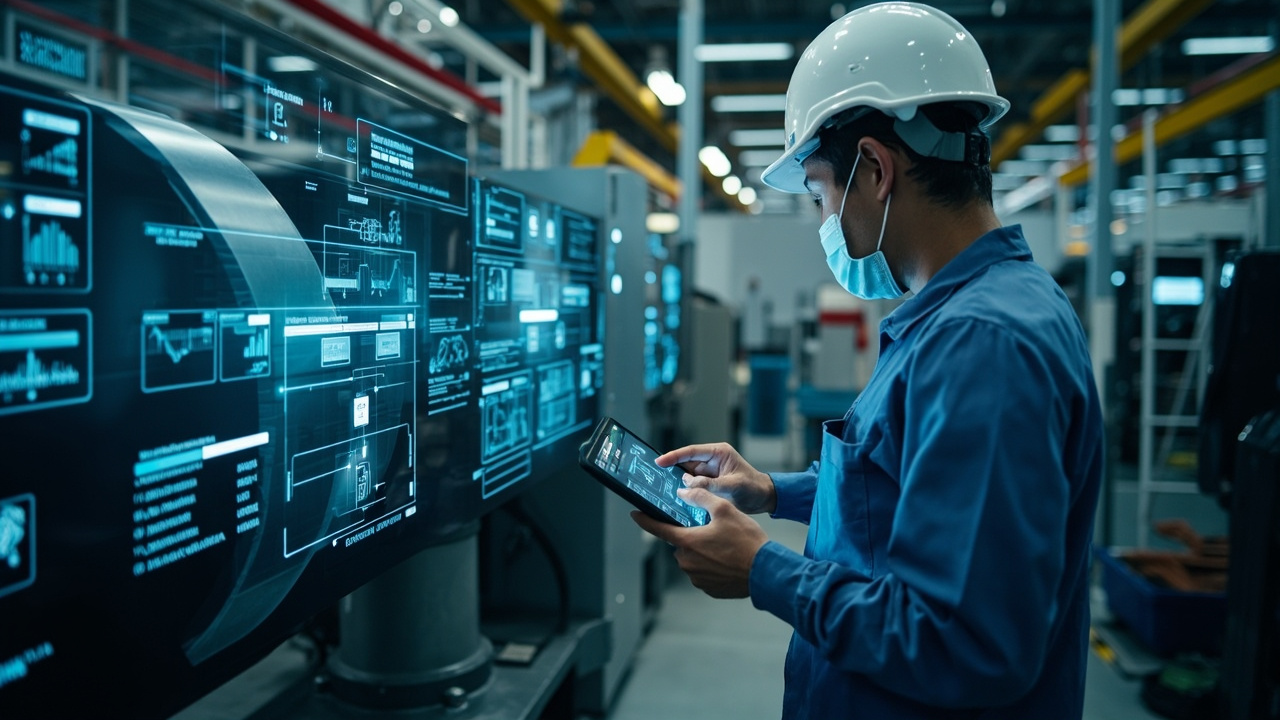
Predictive maintenance powered by AI is revolutionizing how Hong Kong manufacturers approach equipment care. By analyzing sensor data in real-time, AI systems can predict failures before they happen, reducing unexpected downtime by up to 40% and cutting maintenance costs significantly. This article explores the technology behind AI-driven predictive maintenance and how Hong Kong factories are benefiting from this Industry 4.0 innovation.
Predictive Maintenance: How AI is Reducing Factory Downtime in Hong Kong
Hong Kong’s manufacturing sector, while smaller than its service industry, remains a vital component of the city’s economy. From precision electronics to food processing, factories across the New Territories and Industrial areas of Kwun Tong rely on complex machinery to maintain competitiveness. Yet unplanned equipment failures continue to plague operations, causing costly downtime and delivery delays.
AI-powered predictive maintenance is emerging as the solution that Hong Kong manufacturers have been seeking. By leveraging machine learning algorithms to analyze sensor data in real-time, factories can now predict equipment failures before they occur—transforming reactive maintenance into proactive prevention.
The Technology Behind Predictive Maintenance
At its core, predictive maintenance relies on a combination of IoT sensors and machine learning models. Modern industrial equipment is increasingly equipped with sensors that monitor:
- Vibration patterns — Unusual vibrations often indicate bearing wear or misalignment
- Temperature fluctuations — Overheating can signal impending failures
- Current draw — Electric motors show characteristic patterns before failure
- Acoustic emissions — Sound analysis can detect subtle anomalies
These sensors generate continuous streams of data, which machine learning models analyze to establish baseline “normal” behavior. When the system detects deviations from these patterns, it can alert maintenance teams hours or even days before a potential failure.
# Simplified predictive maintenance model structure
class PredictiveMaintenanceModel:
    def __init__(self):
        self.baseline_patterns = {}
        self.anomaly_threshold = 0.85

    def analyze_sensor_data(self, sensor_readings):
        # Extract features from multiple sensors
        features = self.extract_features(sensor_readings)

        # Compare against learned baseline
        anomaly_score = self.calculate_anomaly_score(features)

        if anomaly_score > self.anomaly_threshold:
            return {
                'status': 'WARNING',
                'predicted_failure': self.predict_component(),
                'confidence': anomaly_score,
                'recommended_action': self.suggest_maintenance()
            }

        return {'status': 'NORMAL'}
Why Hong Kong Factories Are Adopting AI Maintenance
Several factors are driving rapid adoption of predictive maintenance solutions across Hong Kong’s industrial sector:
1. Space Constraints Demand Efficiency
Hong Kong’s high real estate costs mean factories operate with minimal spare equipment inventory. A critical machine failure doesn’t just cost repair expenses—it can halt an entire production line for weeks while replacement parts arrive. Predictive maintenance minimizes this risk by identifying issues before they cause catastrophic failures.
2. Aging Workforce Knowledge Retention
Many Hong Kong factories rely on experienced technicians who hold critical knowledge about equipment quirks and maintenance procedures. As these workers approach retirement, predictive maintenance systems help capture and preserve this institutional knowledge in algorithmic form.
3. Competitive Pressure from Regional Manufacturers
Factories in mainland China and Southeast Asia are increasingly adopting smart manufacturing practices. Hong Kong manufacturers risk losing competitiveness without similar technological upgrades. Predictive maintenance represents an accessible entry point into Industry 4.0 transformation.
Key Benefits for Hong Kong Manufacturers
| Metric | Traditional Reactive | Predictive AI-Driven | Improvement |
|---|---|---|---|
| Unplanned Downtime | 15-20% of operating time | 5-8% of operating time | 40-60% reduction |
| Maintenance Costs | $120-180K annually (typical SME) | $70-110K annually | 30-40% savings |
| Equipment Lifespan | 8-12 years average | 12-18 years average | 25-50% extension |
| Spare Parts Inventory | High (multiple backups needed) | Low (targeted ordering) | 20-30% reduction |
Implementation Considerations
Factories considering predictive maintenance should evaluate several factors:
Sensor Infrastructure: Legacy equipment may require retrofitting with IoT sensors. Modern machines often come with built-in sensor arrays and standardized data output protocols like MQTT or OPC-UA.
Connectivity: Edge computing solutions work well in factory environments where constant cloud connectivity cannot be guaranteed. Local processing of sensor data ensures reliability even during network interruptions.
Integration: Predictive maintenance dashboards should integrate with existing ERP and maintenance management systems to streamline workflow and ensure alerts reach the right personnel.
How SCGA Can Help
S.C.G.A. specializes in implementing AI-powered predictive maintenance solutions for Hong Kong manufacturers. Our team combines expertise in machine learning, IoT systems, and industrial automation to deliver solutions tailored to your specific operational requirements.
We provide:
- Equipment assessment and sensor deployment planning
- Custom machine learning model development
- Integration with existing maintenance systems
- Ongoing monitoring and model optimization
Ready to transform your maintenance operations? Contact the S.C.G.A. team to discuss how predictive maintenance can reduce your downtime and cut costs.
Related Services:
- 🖥️ Machine Learning & Prediction Systems — AI models for industrial applications
- 🔗 System Integration — IoT and sensor network integration
- 📊 Custom Solutions — Tailored AI implementations for your business